

Cloudy Pool Water: Common Causes And How To Fix It
Cloudy pool water usually comes from unbalanced chemicals, ineffective filtration, fine debris or early algae growth. The best way to clear it is to test the water, inspect your equipment and correct the underlying problem rather than adding products at random. If your pool has turned milky or hazy, here's how to find the cause and restore clarity without unnecessary treatments.
What Cloudy Pool Water Is Actually Telling You
Clear water relies on effective filtration and balanced chemistry. When either falls behind, tiny particles can remain suspended instead of being removed. The change may happen overnight after heavy rain or develop gradually over several days.
Your pool's appearance can offer useful clues:
- Milky white: Fine particles, calcium precipitation or poor filtration.
- Dull or hazy: Low sanitiser levels, debris or early algae growth.
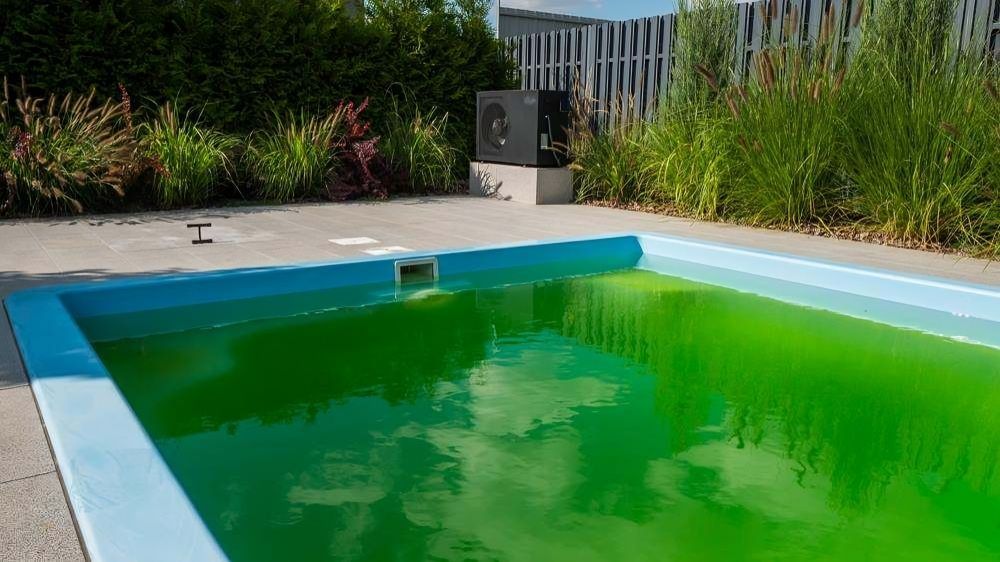
- Greenish: Possible algae growth, particularly when chlorine is low.
These signs aren't a diagnosis. For example, high calcium levels and a struggling filter can produce similar-looking water but need different solutions. If you cannot clearly see the pool floor, don't swim until visibility and water quality are restored.
The Most Common Causes of Cloudy Pool Water
Several problems can affect clarity, sometimes at the same time.
- Low chlorine levels allow bacteria and algae to multiply. Sunlight, frequent swimming and organic material increase chlorine demand. Even a pool that receives regular chlorine treatments can become cloudy if the available sanitiser is insufficient.
- Incorrect pH balance affects chlorine performance. High pH reduces its effectiveness and can encourage calcium precipitation, giving the water a milky appearance. Low pH can damage susceptible surfaces and equipment.
- Poor filtration leaves suspended particles circulating. Blocked baskets, dirty filter media or inadequate pump operation may be responsible even when chemical readings look normal. Worn components can also reduce filtration effectiveness.
- Debris and algae can follow windy weather, rainfall or missed maintenance. Leaves, pollen and other organic matter add to the load on your filter and sanitiser. If the water has a green tinge, read our guide on how to clean a green pool for more targeted advice.
How to Diagnose and Fix Each Cause
Work through the following checks in order. They help narrow down the problem without wasting chemicals.
- Test your pool water. Check free chlorine, pH and total alkalinity. Depending on your pool, calcium hardness and stabiliser levels may also need testing. Don't rely on appearance alone: water can look clear while being inadequately sanitised. If you're unsure what the readings mean, bring a sample to our pool shop in Port Macquarie for free water testing. This gives you a clearer starting point before adjusting anything.
- Correct the chemical balance. Address readings that fall outside the recommended range. Low chlorine may require additional sanitiser, while high pH may need correction. If calcium hardness contributes to the cloudiness, the solution depends on the overall water balance and pool type. Choose appropriate pool chemicals based on your test results and pool volume. Follow the manufacturer's directions and never mix concentrated chemicals together. Avoid adding several products at once without understanding their effects.
- Check your filtration system. Confirm the pump is running and water is circulating through the return jets. Empty skimmer and pump baskets, then clean or backwash the filter according to its instructions. Cartridge filters may need rinsing or replacement, while sand and glass-media filters have different maintenance procedures. If water flow remains weak after routine cleaning, arrange an equipment assessment rather than attempting unfamiliar repairs.
- Remove debris and allow filtration time. Skim leaves, brush suitable surfaces and vacuum settled material. This reduces the burden on your filter and helps prevent organic matter from consuming additional sanitiser. Run the filtration system for the recommended period. Fine particles may take time to clear, especially after heavy rain or a significant chemical imbalance. Retest before deciding whether further treatment is necessary.
- Consider a clarifier when appropriate. A pool clarifier can help compatible filters capture fine suspended particles by grouping them into larger clusters. It won't correct low chlorine, poor pH or damaged equipment, and overdosing can make matters worse. Check compatibility and follow the product label.
If cloudiness persists despite these steps, investigate further rather than repeatedly adding clarifier.
Equipment Issue or Chemical Issue? How to Tell the Difference
Chemical and equipment problems often look alike, but a few observations can help you decide what to check next.
- A chemical issue is more likely if free chlorine is low, pH is outside the recommended range or cloudiness appears after heavy swimming or rainfall. Algae developing on pool surfaces is another sign that sanitation needs attention.
- An equipment issue becomes more likely when chemistry is within suitable ranges but cloudiness remains. Weak flow from return jets, unusual filter pressure or persistent suspended debris may indicate restricted circulation or ineffective filtration.
Both can happen together. Poor circulation, for instance, can leave some areas inadequately sanitised even after chemicals have been added.
If routine maintenance doesn't improve the water, have the pump and filter assessed. Our range of pool filters and supplies can help when replacement equipment is appropriate. Don't replace a filter simply because the water looks cloudy; confirm the cause first.
Preventing Cloudy Water in Port Macquarie Conditions
Port Macquarie's warm weather and periods of heavy rainfall can affect pool chemistry and maintenance needs. Rain introduces debris and changes water balance, while warm conditions and frequent swimming can increase chlorine demand. A consistent routine can prevent small issues becoming recurring problems:
- Test regularly: Check chlorine and pH, especially after storms or busy swimming days.
- Maintain filtration: Empty baskets, monitor pressure where applicable and clean filter media as recommended.
- Remove debris: Skim leaves, brush surfaces and vacuum before organic matter accumulates.
- Keep water circulating: Run the pump for a period appropriate to the pool, equipment and conditions.
- Adjust carefully: Base treatments on test results rather than the water's appearance alone.
For example, after a weekend of heavy swimming followed by rain, testing and removing debris promptly may prevent the pool from becoming noticeably hazy. If you're away for several days, arrange suitable maintenance rather than leaving the system unchecked.
Recurring cloudiness is a reason to investigate water balance and equipment performance, not simply to add more chlorine each time.
Why Choose Cascade Pool & Spa Centre as Your Pool Shop in Port Macquarie?
At Cascade Pool & Spa Centre, we help local pool owners understand water test results and select suitable maintenance products. Our free water testing service helps identify chemical imbalances before you spend money on treatments that may not be needed.
We also supply pool chemicals, filtration products and other maintenance essentials. Whether your pool suddenly looks milky or the problem keeps returning, understanding the cause is the first step towards a lasting improvement.
Clear water depends on reliable testing, appropriate treatment and working filtration. Visit Cascade Pool & Spa Centre for free water testing and advice on products suited to your pool.
Frequently Asked Questions
How long does cloudy pool water take to clear?
Minor problems may improve within a day, while severe cloudiness can take several days. The cause, treatment and filtration performance all influence the timeframe. Keep testing rather than adding extra chemicals without evidence.
Can too much chlorine make a pool cloudy?
Certain chlorine treatments can contribute to cloudiness by changing water chemistry and causing minerals to precipitate. High chlorine alone doesn't establish the cause. Test the water before making further adjustments.
Is cloudy pool water safe for swimming?
Avoid swimming when the floor isn't clearly visible or sanitiser and pH readings are outside safe ranges. Poor visibility can conceal a swimmer in difficulty, while inadequate sanitation creates health risks.
Will pool clarifier fix cloudy water?
A clarifier may help a compatible filter remove fine particles. It cannot correct low sanitiser, incorrect pH or faulty equipment. Identify the underlying cause first.
Why does my pool turn cloudy after rain?
Rain can bring dirt and debris into the pool, alter chemical balance and increase sanitiser demand. Remove debris, test the water and check filtration after significant rainfall.